
Cataclysm Classic Leatherworking Guide: A Comprehensive Plan
Embark on a journey to master Cataclysm Leatherworking! This guide details the quickest, most cost-effective path from 1 to 525,
accelerating your progression to level 85.
Prepare for a detailed breakdown of materials, optimal leveling routes, and auction house strategies. Maximize efficiency and profit
with focused crafting and smart resource management.
Success awaits those who skillfully navigate the leatherworking landscape. This comprehensive plan will empower you to become a
proficient crafter in Cataclysm Classic!
Leatherworking in Cataclysm Classic offers a rewarding path for players seeking self-sufficiency and profit. It’s a profession deeply intertwined with gear progression, providing essential armor and useful consumables. This revamped system introduces new materials and recipes, demanding a strategic approach to leveling.
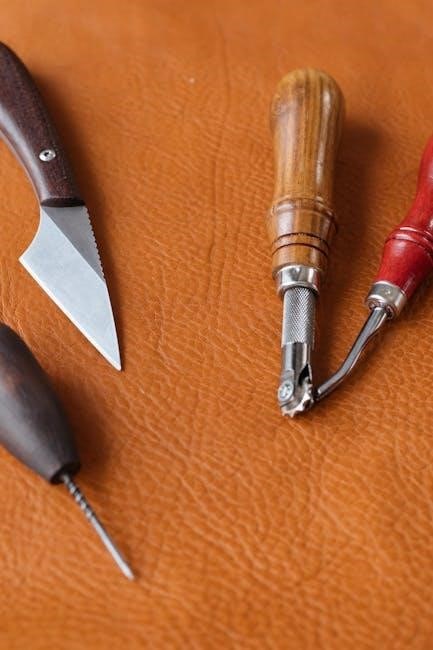
Unlike previous expansions, Cataclysm Leatherworking emphasizes efficiency. Mastering the auction house and understanding material costs are crucial. The guide focuses on minimizing expenses while maximizing skill gains. Expect to utilize a variety of leather types, from Ruined Leather to Savage Leather, each unlocking new crafting possibilities.
Prepare to invest time in gathering or purchasing materials. A well-planned route and astute market awareness will significantly accelerate your journey to 525 skill level. This guide provides the tools to navigate this exciting profession!
Leveling 1-525: Overview
The journey from 1 to 525 in Cataclysm Leatherworking requires approximately 57 Ruined Leather Scraps, 380 Light Leather, and 415 Medium Leather to begin. Progressing demands a shift in materials, incorporating Heavy Hide, Thick Leather, and eventually, Knothide Leather and Fel Scales.
Later stages introduce Borean Leather, Arctic Fur, and the challenging Savage Leather tiers. Expect to need around 375 Savage Leather and 168 Heavy Savage Leather. Efficient leveling hinges on strategically choosing recipes and monitoring auction house prices for cost-effectiveness.
Remember to account for supplemental materials like Crystallized Water and Volatile elements, impacting overall expenses. Careful planning is key to a smooth and profitable leveling experience!
Gathering Professions Synergy
Leatherworking thrives when paired with gathering professions, notably Skinning. Skinning provides a direct source of the raw materials – hides and skins – essential for crafting. This synergy drastically reduces reliance on the Auction House, minimizing gold expenditure and maximizing self-sufficiency.
Herbalism offers indirect benefits, supplying materials for crafting drums like the Drum of the Elements, a valuable item for endgame content. Mining contributes less directly but can aid in acquiring materials for tools or trading with other players.
Combining Skinning with Leatherworking creates a powerful, independent crafting loop, fostering both economic stability and rapid progression.
Skinning as a Complementary Skill
Skinning is arguably the most vital complementary skill for Leatherworking in Cataclysm Classic. It provides the fundamental materials – Ruined Leather, Heavy Hide, and Savage Leather – directly impacting leveling speed and cost-effectiveness. Relying solely on Auction House purchases can be expensive and inconsistent.
Efficient skinning routes, coinciding with Leatherworking leveling zones, are crucial. Focusing on beasts yielding the required hides streamlines the process. Mastering skinning minimizes material costs and boosts self-reliance.
Consider it an investment; the time spent skinning quickly pays for itself in reduced gold expenditure and faster progression.
Materials Required: A Detailed Breakdown
Leveling Leatherworking to 525 demands a substantial material investment. Expect to gather or purchase approximately 57 Ruined Leather Scraps, 380 Light Leather, and 415 Medium Leather for the initial stages. Progressing requires 20 Heavy Hide, 195 Heavy Leather, 450 Thick Leather, and 475 Rugged Leather.
Later tiers introduce Knothide Leather (300, or 150+ with Fel Scales), Borean Leather (457 or 262 + Arctic Fur), and Savage Leather (50 scraps, 375, and 168 Heavy Savage Leather). Don’t forget Volatile Fire and Air!
Careful planning and auction house monitoring are key.
Ruined, Light, and Medium Leather (1-150)
The initial climb from 1 to 150 in Cataclysm Leatherworking primarily utilizes readily available, lower-tier materials. Focus on crafting with Ruined Leather Scraps – you’ll need around 57. Supplement this with a significant amount of Light Leather (approximately 380 pieces) and Medium Leather (around 415).
Efficient crafting during this phase involves repeatedly making items like Leather Bracers and Simple Leather Belts. These offer consistent experience and minimize wasted materials. Prioritize volume over attempting more complex recipes.
Heavy Hide & Leather (150-225)
Transitioning from 150 to 225 requires a shift towards Heavy Hide and Heavy Leather. You’ll need approximately 20 Heavy Hide and a substantial 195 Heavy Leather. This stage introduces slightly more complex recipes, but maintaining crafting volume remains crucial for efficient leveling.
Focus on crafting items like Heavy Leather Belts and Heavy Hide Armor Kits. These provide a good balance of experience and material cost. Continuously monitor the Auction House for favorable prices on these core materials to minimize expenses.
Thick & Rugged Leather (225-300)
Reaching levels 225-300 demands a focus on Thick and Rugged Leather. You’ll require around 450 Thick Leather and 475 Rugged Leather. This phase introduces more specialized crafting options, allowing for greater material efficiency if planned correctly.
Prioritize crafting recipes that consume large quantities of these leathers, such as Thick Leather Shoulderpads or Rugged Leather Bracers. Regularly check Auction House prices; sometimes, buying crafted items is cheaper than sourcing the raw materials.
Knothide Leather & Fel Scales (300-375)
The 300-375 range introduces Knothide Leather and the rarer Fel Scales. You’ll need approximately 300 Knothide Leather and 36 Fel Scales – though 150 more Knothide can substitute for the Fel Scales if they are too expensive. This section can be costly, so efficient crafting is key.
Focus on recipes like Knothide Leather Belt or Fel Scale Leggings. Monitor Auction House prices closely; Fel Scales can fluctuate wildly. Consider farming Twilight Highlands for a chance at obtaining them directly.
Borean Leather & Arctic Fur (375-450)
Reaching 375 unlocks Borean Leather and Arctic Fur, sourced primarily from Northrend creatures. You’ll require around 457 Borean Leather and 5 Arctic Fur to begin, but a viable alternative is 262 Borean Leather or 15 Arctic Fur – choose the cheaper option.
Don’t forget 68 Crystallized Water if you opt for the Arctic Fur route! Crafting Borean Leather Armor Kits and shoulderpads are efficient leveling choices. Regularly check the Auction House for the best material prices.
Savage Leather & Heavy Savage Leather (450-525)
The final stretch, 450-525, demands Savage Leather and its heavier counterpart. You’ll need approximately 50 Savage Leather Scraps, 375 Savage Leather, and 168 Heavy Savage Leather. Don’t overlook the necessity of 68 Volatile Fire and 8 Volatile Air for certain recipes.
Focus on crafting high-demand items like Savage Leather Armor Kits. Efficiently utilizing the Auction House to acquire materials at low prices is crucial for minimizing costs during this phase.
Optimal Leveling Routes & Zones
Strategic zone selection is key to efficient leveling. Begin in Mulgore/Barrens (1-75), benefiting from readily available resources. Transition to Nagrand/Terokkar Forest (75-300) for increased material variety and crafting opportunities.
The endgame, 300-525, thrives in Icecrown/Storm Peaks. These zones offer abundant Savage Leather and associated components. Prioritize areas with high skinning node density to supplement your material gathering efforts and accelerate progress.
Early Game: Mulgore/Barrens (1-75)
For levels 1-75, Mulgore (for Horde) and the Barrens (for Alliance) provide an excellent starting point. These zones are brimming with Plainsstriders and Kodo, yielding Ruined Leather Scraps, Light Leather, and Medium Leather – essential materials for initial skill gains.
Focus on crafting simple items like Leather Bracers and Leather Belts. These recipes are inexpensive and offer consistent experience. Supplement crafting with skinning to gather materials directly, reducing reliance on the Auction House.
Mid-Game: Nagrand/Terokkar Forest (75-300)
As you reach levels 75-300, transition to Nagrand (Outland) and Terokkar Forest. These zones offer Talbuks and Arakkoa, sources of Heavy Hide, Heavy Leather, Thick Leather, and Rugged Leather. Prioritize crafting items requiring these materials to efficiently level your skill.
Consider crafting Heavy Hide Armor Kits and Thick Leather Bracers. These provide good experience and can be sold on the Auction House for a small profit. Continue skinning alongside crafting to maintain a steady material supply.
Late Game: Icecrown/Storm Peaks (300-525)
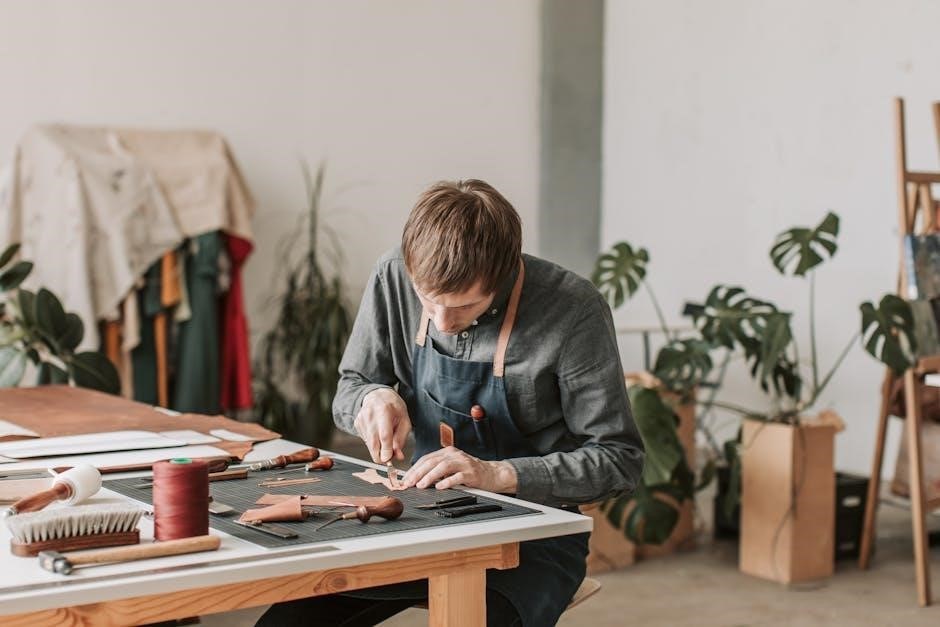
Reaching 300-525 demands venturing into Northrend’s Icecrown and Storm Peaks. These zones yield Knothide Leather, Fel Scales, Borean Leather, and Arctic Fur – essential for end-game crafting. Focus on recipes utilizing Borean Leather, as it’s frequently needed.
Prioritize crafting items like Borean Leather Armor Kits and Savage Leather gear. Monitor Auction House prices for Volatile Fire and Air, crucial for higher-level recipes. Supplement your materials through consistent skinning in these zones.
Crafting Recipes to Maximize Efficiency
To level swiftly, concentrate on high-yield recipes. Early on, prioritize crafting Light and Medium Leather items. As you progress, focus on Thick and Rugged Leather gear, maximizing experience per craft. Avoid crafting low-value items solely for the experience; material cost outweighs the benefit.
Strategic crafting is key. Utilize recipes requiring readily available materials. Regularly check the Auction House to determine if buying materials is cheaper than farming them. Efficient recipe selection accelerates leveling and minimizes gold expenditure.
Focus on High-Yield Recipes
Prioritize recipes that deliver substantial experience gains per craft. Early levels benefit from consistent Light Leather crafting. Moving into the mid-game, prioritize Thick Leather Bracers and Belts. Later, focus on Knothide Leather items and Borean Leather gear.
Avoid low-experience crafts like pouches or simple bindings. These consume materials without providing adequate returns. Regularly evaluate recipe efficiency based on current material costs and experience rewards. Maximizing yield accelerates your path to 525!
Avoiding Unnecessary Crafts
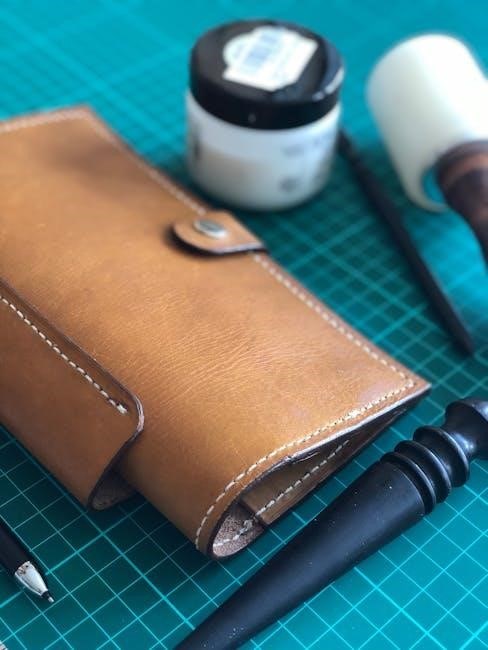
Resist the temptation to craft items solely for potential Auction House sales if the material cost outweighs the profit. Many early-level recipes offer minimal returns. Focus leveling efforts on recipes directly contributing to skill gains, not speculative market ventures.
Carefully assess demand before crafting large quantities of any item. Unsold inventory ties up valuable materials and capital. Prioritize efficiency; crafting only what’s needed for skill-ups or confirmed sales streamlines your leveling process.
Utilizing Auction House Strategies
Mastering the Auction House is crucial for cost-effective leveling. Regularly monitor material prices, identifying opportunities to “buy low and sell high.” Patience is key; avoid impulse purchases. Compare prices across realms if possible, leveraging cross-server trading.
Consider purchasing materials in bulk during off-peak hours when competition is lower. Conversely, sell crafted items during peak times to maximize visibility and potential bids. Track historical price data to anticipate market fluctuations and optimize your profits.
Buying Low, Selling High
The cornerstone of Auction House success lies in astute market observation. Identify materials consistently undervalued – often due to oversupply or off-peak listing times. Snatch these bargains, stockpiling for future crafting or resale. Conversely, list your crafted goods when demand surges, like raid nights.
Don’t underestimate the power of undercut strategies, but avoid price wars that erode profits. Patience is vital; a well-timed sale yields greater returns than a rushed, low-margin transaction. Regularly scan listings for arbitrage opportunities.
Monitoring Material Prices
Consistent price tracking is paramount for maximizing Leatherworking profits. Utilize Auction House addons to chart historical data for key materials like Borean Leather, Knothide, and Savage Leather; Observe daily fluctuations, noting peak and trough pricing. Anticipate shifts based on raid schedules and server events.
Pay close attention to regional variations; prices can differ significantly between realms. Understanding these trends allows you to buy materials cheaply on one server and sell them for a profit on another, optimizing your earnings.
Specializations and Their Impact
Leatherworking offers two crucial specializations: Tanning and Armor Kits. Tanning reduces the cost of leather by allowing you to process hides more efficiently, saving gold on material acquisition. This is beneficial for personal crafting and volume production.
Armor Kits specialization provides access to valuable crafted armor kits used by other professions. These kits are consistently in demand, offering a reliable income stream. Carefully consider your playstyle and market needs when choosing a specialization.
Tanning Specialization
The Tanning specialization significantly lowers your leather costs. It allows you to transform raw hides into usable leather with increased efficiency, reducing gold expenditure. This is particularly valuable when leveling, as leather consumption is high.
Mastering Tanning means less reliance on the Auction House for base materials. While it doesn’t directly generate income, the savings accumulate quickly. This specialization is ideal for players focused on self-sufficiency and crafting for personal use or guildmates.
Armor Kits Specialization
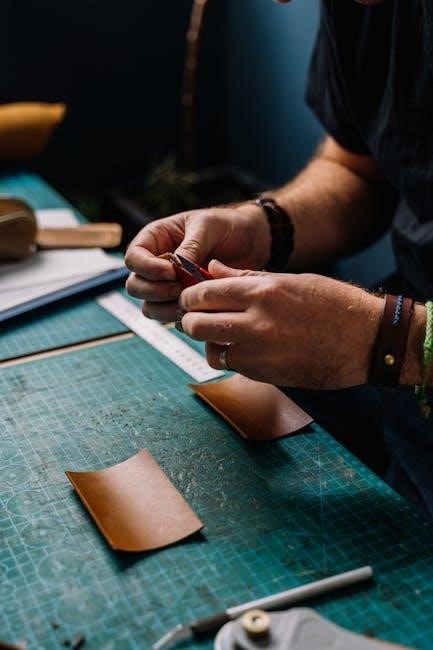
The Armor Kits specialization focuses on crafting armor kits, which are essential for equipping characters with gear. This path offers a direct route to generating gold through sales on the Auction House, catering to players actively seeking profit.
While requiring more initial investment in recipes and materials, the potential returns are higher. Mastering this specialization demands monitoring market trends and identifying high-demand kit types. It’s best suited for players who enjoy actively participating in the game’s economy.
Profitable Items to Craft at Max Level
At level 525, Leatherworking unlocks lucrative crafting opportunities. High-demand gear, particularly crafted armor pieces for various roles, consistently sells well on the Auction House. Drum of the Elements, providing a temporary stat boost, remains a staple for raiding and PvP, ensuring consistent demand.
Focus on items with limited competition and high material costs to maximize profit margins. Regularly assess market prices and adjust crafting priorities accordingly. Staying informed about current raid and PvP metas is crucial for identifying profitable gear options.
High-Demand Gear
Leatherworking excels at crafting durable and sought-after armor. Bracers, belts, and boots are consistently in demand for all classes utilizing leather or mail armor. Focus on items with desirable stats, catering to the needs of raiders and PvP players. Crafted gear often provides a competitive edge, driving up demand.
Keep an eye on raid progression and class balance changes. New tiers and meta shifts create fresh demand for specific stat combinations. Regularly monitor Auction House prices to identify gaps and capitalize on profitable opportunities.
Drum of the Elements
Drum of the Elements are consistently profitable due to their raid utility. These drums provide a significant, short-term stat boost to the entire raid group, making them invaluable for challenging encounters. Demand spikes with each new raid tier and progression attempts.
Crafting these drums requires Volatile Fire, Volatile Air, and other elemental materials. Efficiently sourcing these components is key to maximizing profits. Regularly check Auction House prices and consider farming materials yourself to reduce costs.
Tips for Reducing Leveling Costs
Leveling Leatherworking can be expensive, but strategic choices minimize costs. Prioritize farming your own materials whenever possible, especially lower-level leathers. This significantly reduces reliance on the often-inflated Auction House prices.
Leverage guild perks that offer discounts on crafting materials or reduced reagent costs. Carefully plan your crafts, avoiding unnecessary recipes that consume valuable resources. Monitoring Auction House fluctuations allows for smart material purchasing.
Farming Your Own Materials
Directly acquiring materials through skinning is the most cost-effective method. Focus on zones with abundant beasts appropriate for your skill level. Early on, Mulgore and the Barrens provide Ruined and Light Leather. Later, Nagrand and Terokkar Forest yield Thick and Knothide Leather.
Remember that Savage Leather is efficiently farmed in Icecrown and Storm Peaks. Skinning complements Leatherworking perfectly, providing a steady supply and reducing Auction House dependency. Consistent farming minimizes expenses and boosts self-sufficiency.
Utilizing Guild Perks
A guild offering profession-related perks can significantly reduce leveling costs. Look for guilds with benefits like reduced material costs or increased skill gains from crafting. These perks accumulate over time, creating substantial savings, especially when crafting large volumes of leather.
Guild banks provide a secure storage location for materials, preventing accidental vendorings. Collaborate with guildmates to share resources and knowledge, optimizing your Leatherworking journey. A supportive guild environment fosters efficiency and enjoyment.
Common Mistakes to Avoid
Avoid wasting valuable materials on crafting low-demand items. Prioritize recipes with high yield and profitability. Ignoring Auction House fluctuations can lead to significant losses; consistently monitor prices before buying or selling materials.
Don’t prematurely invest in expensive recipes without assessing market demand. Resist the urge to craft items solely for daily quests if the material cost outweighs the reward. Careful planning and market awareness are crucial for efficient leveling and profit maximization.
Wasting Materials on Low-Value Crafts
A common pitfall is crafting items with minimal auction house value. Focus your efforts on recipes that yield a substantial return on investment, avoiding those with low demand or saturated markets. Resist the temptation to create items simply to fulfill daily quests if the material cost exceeds the reward.
Prioritize efficiency by carefully selecting crafts. Conserve resources for high-profit opportunities. Diligent planning prevents squandering valuable leather and scales on items that offer little to no financial gain, maximizing your leveling progress.
Ignoring Auction House Fluctuations
The Auction House is dynamic; prices shift constantly based on supply and demand. Regularly monitor material costs – what’s expensive today might be cheap tomorrow. Failing to adapt to these fluctuations can lead to overspending on materials or underselling crafted items.
Successful leatherworkers are astute traders. Track price trends and capitalize on opportunities. Avoid impulsive purchases or sales; patience often yields greater profits. Stay informed to maximize your earnings and minimize leveling costs.